
How to Check Criminal History in Siloam
Siloam has no verified public police blotter, city request form, or municipal case search. Start with the date, time, location, possible agency, report number, and full name tied to the record. The official Greene County directory routes callers to public-safety and court offices. E-911 is the best fallback when the responding agency is unclear. The Sheriff handles its own reports and jail records, not the Board's general open-records officer.
- Ask Greene E-911 which agency responded if the event location and approximate time are known.
- Request the incident or arrest report directly from that agency with narrow facts.
- Confirm with Siloam whether a city ordinance or citation file is kept under a municipal arrangement.
- Check Greene Magistrate and Superior Court for bond, charging, docket, and disposition records.
- Use GCIC self-inspection, Georgia Felon Search, or GDC only for the state question each system answers.
Siloam Has No Verified Portal
No official stand-alone Siloam police records page, arrest log, records app, municipal portal, or electronic request form was found. That absence rules out unofficial people-search and mugshot sites as substitutes. A missing city portal does not mean no Siloam criminal record exists. It means the record must be traced through the agency, jail, and court that created or received it.
Keep the request exact. Supply a name, date and time range, location, agency if known, and report or citation number. Ask the custodian to identify the delivery method and estimate before work begins. If State Patrol, DNR, or GBI handled the event, that state agency may hold the report even though it occurred in Siloam. City limits alone do not decide custody.
Siloam Police Department Records
A dedicated Siloam Police records unit was not verified. Do not assume the town created every report for an incident inside Siloam. Greene County's rural and incorporated areas can involve the Sheriff, State Patrol, Department of Natural Resources, or GBI. Contact the town to confirm any local arrangement, then use dispatch facts to identify the officer's agency.
Ask for the precise document needed. An incident narrative describes the agency response, while an arrest record documents the seizure and asserted charges. Dispatch data identifies the call and units. A court docket then records judicial events. Combining those labels into a request for a complete history can cause delay because no single Siloam office owns every piece.
The county's official contact routing page is a documented Siloam fallback.
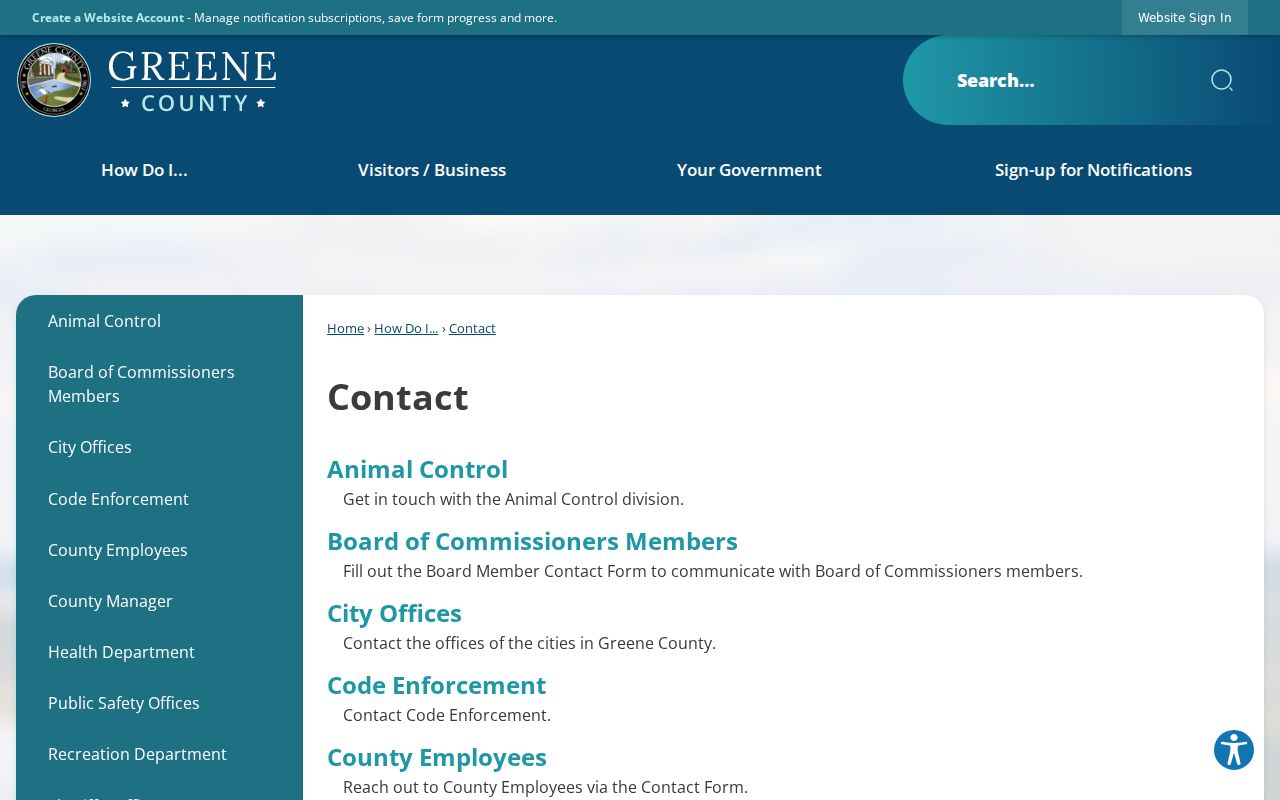
This source leads a request toward the right county office without claiming that administration holds Sheriff or court files.
Siloam Dispatch Records Identify Responders
Greene E-911 helps when a Siloam requester recalls the event but not the badge or agency. Computer-aided dispatch data may identify when a call arrived, which units were sent, and the responsible agency. Protected call content, victim details, and active investigative facts can be redacted, so dispatch data is not a way around a lawful exemption.
The official Greene E-911 page directs its records requests to the county form.
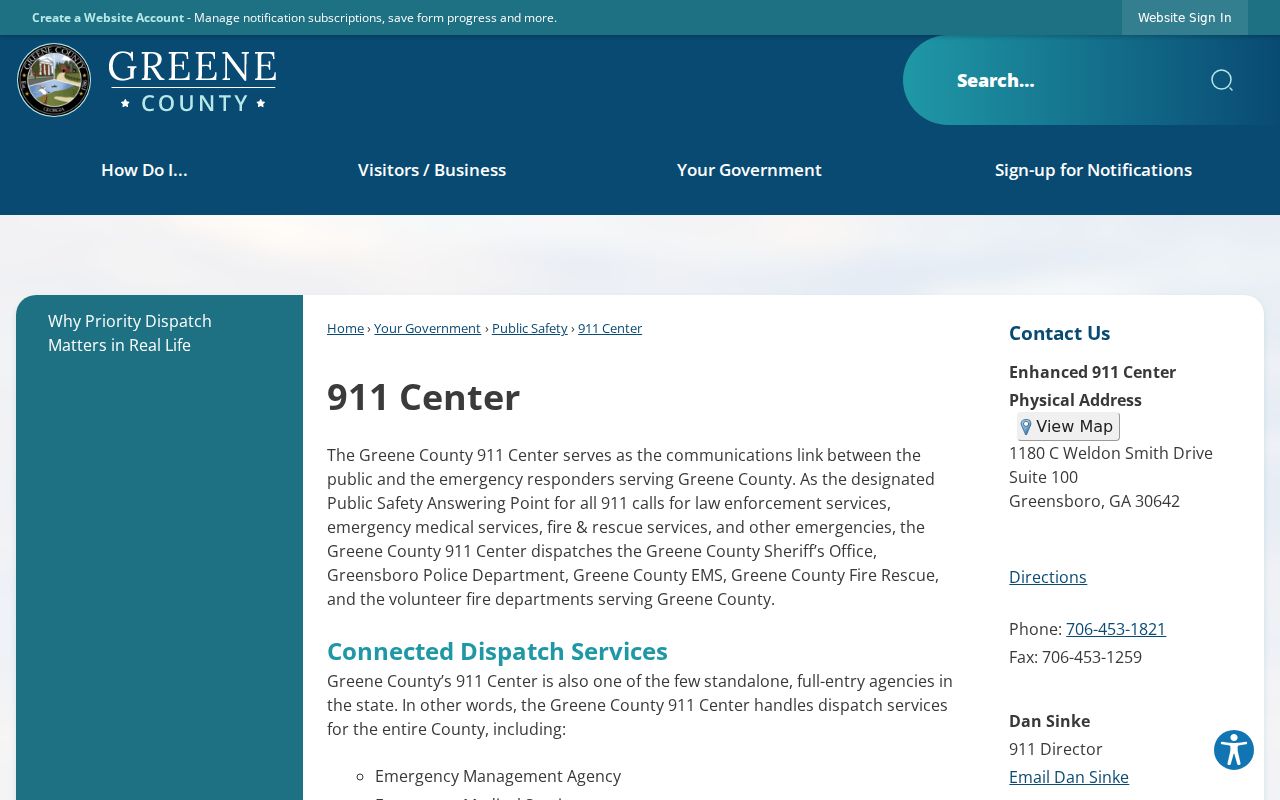
Use the response to find the report custodian. Then request the incident narrative or arrest file from that agency.
Siloam Arrests and Bookings
A Siloam arrest is traced through Greene County detention channels. No Siloam holding facility or official city booking log was verified. Booking creates intake identity, fingerprints and a photograph when required, asserted charges, holds, bond status, and release or transfer entries. Those fields describe custody and allegations. They do not prove guilt.
No official Greene County public roster was located either. Contact the Sheriff or jail for current custody, ask for a Sheriff-directed booking record, and state whether the person may have been released or transferred. The Board form cannot retrieve Sheriff records. A new Siloam arrest may appear at the jail before a court case, while an older state sentence may appear through GDC after transfer.
The arresting agency, booking office, prosecutor, and court may describe charges differently as the matter develops. Preserve the booking date and transaction identifiers when available, but use the court's count-level disposition for the outcome. If no case appears yet, ask whether the arrest is too recent, whether prosecution was declined, or whether the search used the wrong court.
Magistrate Court is the early checkpoint, not the final felony archive. Its published office days are Monday, Tuesday, Thursday, and Friday, with a noon closure. Wednesday hours are not posted. Call 706-453-3346 before traveling to Suite 113, especially when seeking a bond record soon after a Siloam arrest.
No Siloam Booking Log Exists
The absence of a verified online blotter does not mean no arrest occurred. It removes only one convenient access channel. Call the Greene County Sheriff or jail with the person's full name and a narrow date range, and ask about current detention, release, or transfer. Then check Magistrate Court for a first appearance or bond event.
Do not replace the missing official log with a mugshot aggregator. Those sites can preserve stale charges, omit releases, and detach a booking image from the court outcome. The agency record establishes the arrest and booking facts. The Superior Court file establishes the filed felony charges and final disposition. Each source answers a different part of the Siloam criminal history.
Siloam Custody Moves Beyond Town
Custody status changes the correct source. The Sheriff or Greene County jail is the local source for pretrial detention and recent release. Magistrate Court supplies first-appearance and bond records. GDC Find an Offender is for sentenced state offenders and does not show a county jail pod or a new Siloam booking. VINELink can add participating notifications but should be checked against the official custodian.
A useful request distinguishes three states: currently held, booked and released, or transferred. That wording prevents a narrow current-roster answer from hiding an earlier booking. If the arrest never becomes a filed prosecution, the agency record may remain while no Superior case appears. If felony charges are filed, follow the accusation or indictment into the Clerk's file.
Identify the Siloam Agency First
A name-only search is fragile in a small rural jurisdiction. The same event may create a Greene Sheriff report, a Georgia State Patrol crash or arrest file, a DNR enforcement record, an E-911 dispatch entry, and later court documents. None is a substitute for the others. Location and time are often better routing facts than a person's name.
The Greene County public-safety directory provides the official county routing layer.
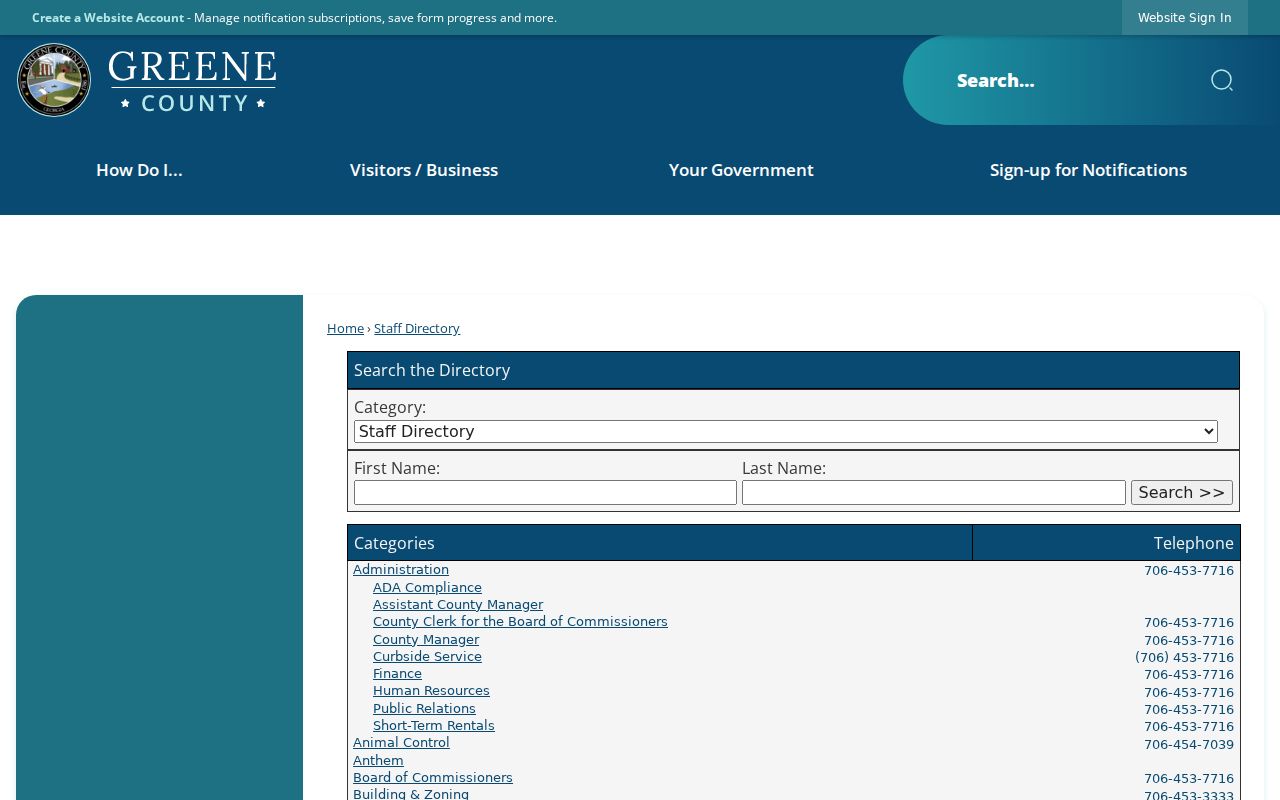
Use that directory after E-911 identifies the responder, then request the report from the named agency instead of sending a broad request to every office.
Siloam Municipal Court Records
No official Siloam municipal case portal, court schedule, clerk contact, or current local-law-enforcement arrangement was verified. A city ordinance or citation record, if maintained through a municipal court arrangement, must be confirmed with the town. Do not assume a city citation appears in Greene Superior E-Access. Ask whether the town maintains the docket itself or routes the matter elsewhere, and provide the citation number, name, and date.
| Court Name | No current standalone Siloam court office was verified; confirm the arrangement with the town. |
|---|---|
| Case Types Heard | Any city ordinance, traffic, or citation jurisdiction must be confirmed locally. |
| Case Lookup Channel | No public portal was verified. Ask the town or designated clerk by citation number, name, and date. |
| What the Docket Shows | When maintained, a docket may show the citation, appearances, plea, disposition, fines, and failure-to-appear action. |
| Copies & Fees | No current official Siloam copy fee was found. Request a written estimate from the custodian. |
Siloam Felony Files Reach Suite 109
A felony case arising near Siloam does not stay in a town file. Magistrate Court handles the first appearance, bond, and preliminary stage. If the Ocmulgee Judicial Circuit District Attorney pursues felony charges, the accusation or indictment and later disposition belong in Greene Superior Court.
The Clerk of Superior Court is at 113 North Main Street, Suite 109, Greensboro, with published weekday hours from 8:00 a.m. to 5:00 p.m. and telephone 706-453-3340. Ask for the case file or a certified disposition. Georgia's E-Access directory lists a Greene Superior provider, but it requires an account, so the clerk counter and phone remain essential when an online result is missing or unclear.
Read each count rather than relying on a single case-level label. Arrest charges can be amended, rejected, or replaced by an accusation or indictment. The final disposition may differ by count, and GCIC can lag if a court outcome has not yet been transmitted. When a Siloam case result is missing from a personal GCIC history, ask the Greene clerk to verify the disposition and transmit any needed correction electronically.
Where Siloam Records End Up
The responding agency keeps the incident or arrest narrative. A custodial arrest adds Sheriff and jail records. Greene Magistrate Court creates the early hearing and bond file, and Greene Superior Court keeps a felony prosecution. Fingerprintable arrest cycles and later dispositions may also be transmitted to GCIC, but the systems do not update at the same instant.
Record flow: Responding agency › Greene County booking and courts › GBI/GCIC
For recent activity, begin with the agency, Sheriff, and Magistrate Court. For the final felony result, use the Superior Court Clerk. A person reviewing their own statewide identity-linked history can use GCIC inspection procedures. Georgia Felon Search is narrower because it reports public Georgia felony-conviction information, not every Siloam arrest or full rap sheet.
Public Access Rules for Siloam Records
The Georgia Open Records Act generally requires a custodian to respond within three business days by producing accessible records or explaining the access timetable and any lawful withholding. That deadline is a response rule, not a promise that every Siloam file will arrive in three days. Active investigations, juvenile matters, victim information, sealed files, and protected identifiers may be withheld or redacted.
Send the request to the office that holds the record. Greene County's Board form expressly excludes Sheriff and court files. The first 15 minutes of administrative search time are free under the county's published terms, and paper copies are listed at ten cents per page, though another custodian may publish its own lawful estimate.
A clear request should describe records rather than ask an office to answer questions or create a new report. Give a reasonable date range, location, incident or citation number, and preferred delivery format. Request an estimate before agreeing to a broad search. If part of a file is exempt, the custodian may redact protected material and release the rest instead of withholding every page.
Key Statutes:
Georgia Open Records Act, O.C.G.A. §§50-18-70 through 50-18-77 explains access, response duties, fees, exemptions, and enforcement.
O.C.G.A. §35-3-34 controls dissemination of Georgia criminal-history information, including the narrow public felony-conviction route.
O.C.G.A. §35-3-37 governs record restriction and related court sealing rather than physical deletion of every government record.