
How to Check Greene County Criminal History
No one search contains all Greene County criminal history. Begin with the record type and date. The Georgia Courts E-Access directory routes felony case searches to Greene Superior Court's participating provider, which requires an account. The Clerk of Superior Court is the fallback for an older file, a missing result, or a certified disposition. Magistrate Court holds the first-appearance, bond, preliminary-hearing, and pre-warrant trail. A recent booking may exist at the Sheriff or jail before either court layer is easy to find.
Use the full legal name, known spelling variants, approximate year, and case or booking number when available. Date of birth helps separate similar names, but do not place sensitive identifiers in a broad email. The public Georgia felony product needs a specific identity set. A court counter can often work from a case number or a name plus an approximate year. State custody searches use name or an agency identifier.
- Search the Greene Superior route for a felony prosecution and note the case number, court, and each count.
- Contact Magistrate Court for early hearings, bonds, and warrant proceedings that may precede the Superior file.
- Ask the Sheriff or Greene County Jail about a recent booking because no official public county roster was located.
- Use Georgia Felon Search for its narrow public felony-conviction result, then compare it with the actual court disposition.
- Order a certified disposition from the Clerk when proof of the local outcome is needed, or inspect an own GCIC history for the state chronology.
Greene County's Three Records Campuses
Greene County criminal records are easier to find once the county's three civic nodes are kept apart. The historic courthouse at 113 North Main Street holds the Superior Court Clerk in Suite 109 and Magistrate Court in Suite 113. County administration at 1034 Silver Drive handles Board-controlled records. Public-safety functions sit around Weldon Smith Drive and Kevin Roberts Way, where E-911 and Sheriff or jail operations are listed. Sending one request to all three is not a shortcut because each office answers only for records it keeps.
The official Greene County government page shows the broader department structure.
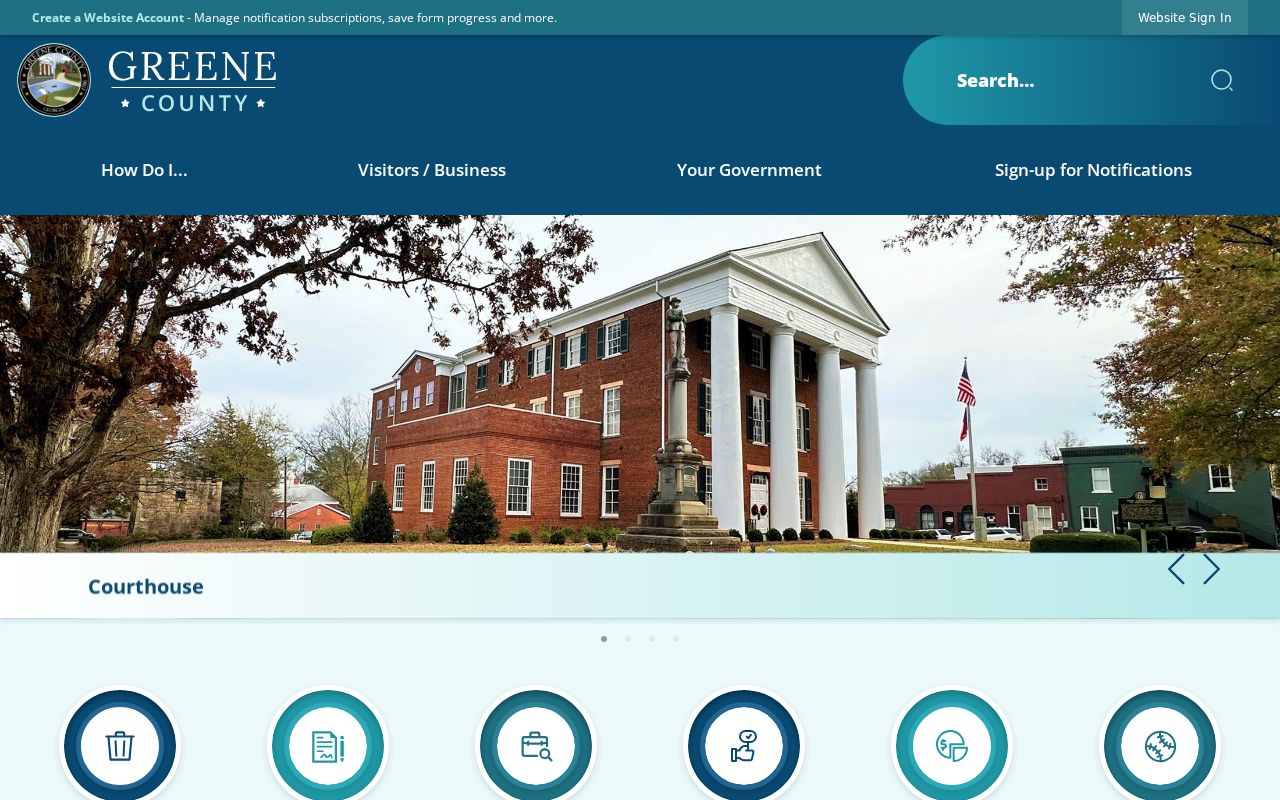
The county landing page is a routing tool, not a combined criminal history database. Use its department links to confirm a current office before a visit.
Superior Court Clerk
113 N. Main St., Suite 109
Greensboro, GA 30642
706-453-3340
Monday-Friday, 8:00 a.m.-5:00 p.m.
Magistrate Court
113 N. Main St., Suite 113
Greensboro, GA 30642
706-453-3346
Published hours omit Wednesday; call first.
Greene E-911
1180 C Weldon Smith Dr., Suite 100
Greensboro, GA 30642
706-453-1821
CAD and dispatch routing
Official Georgia Background Checks
The Georgia Bureau of Investigation's Georgia Crime Information Center, or GCIC, keeps the central identity-linked criminal history. For self-review, GBI directs people to participating local law enforcement or an appointment at its Decatur lobby. Greene E-911 says an application for a criminal background check must be made in person, but its page does not publish the fee, identification rules, or exact service counter. Call 706-453-1821 before traveling. An own-record inspection is the right starting point when a person needs to find and correct a missing court disposition.
Georgia Felon Search is different. It returns a public slice of Georgia felony-conviction information after a user supplies full name, race, sex, and date of birth. It charges a transaction fee shown during checkout. It is not a national check, a full rap sheet, or a current jail list. Fingerprint checks authorized by law use the Georgia Applicant Processing Service through Fieldprint; registration comes before an appointment, and no official Greene County capture site was confirmed.
The GCIC overview identifies the state repository and its record services.
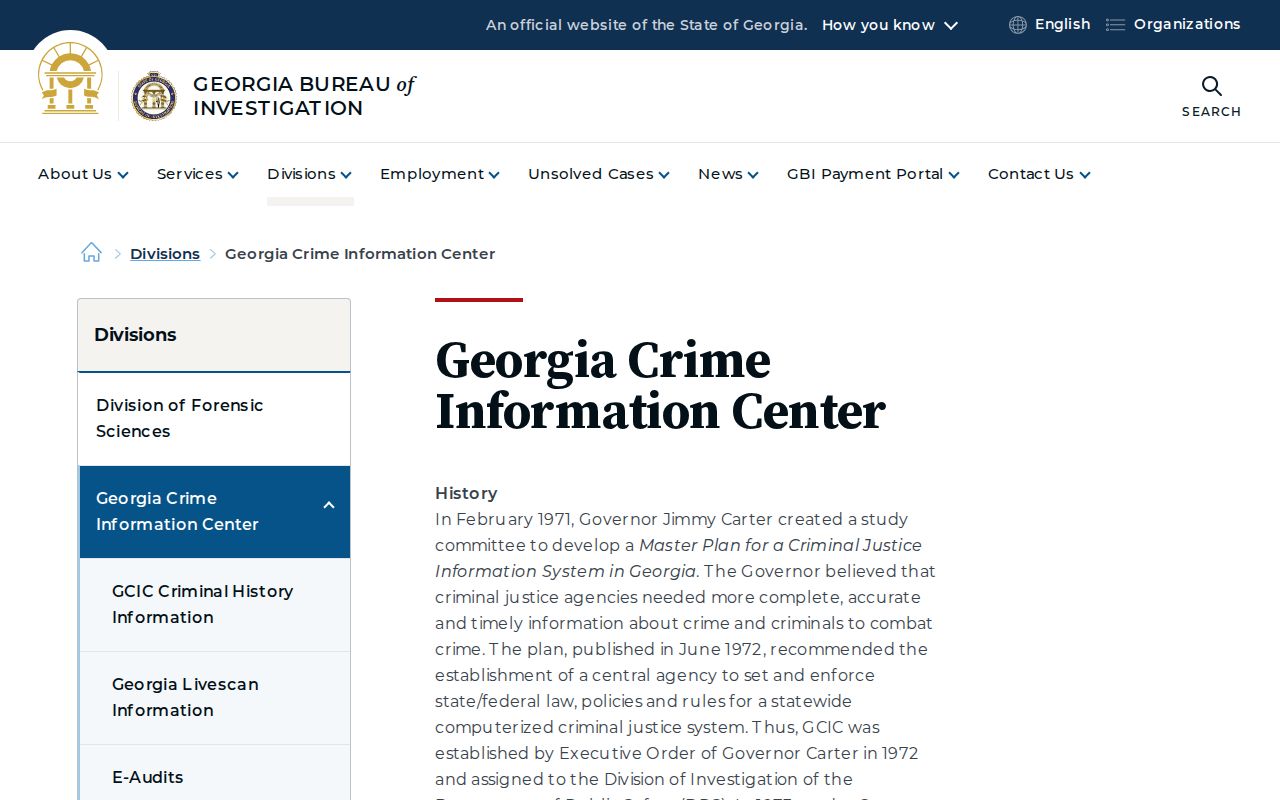
This state layer receives identity, arrest, disposition, and correctional data, but the underlying Greene County court file remains the better source for pleadings and the judgment.
Greene County Sheriff Request Limits
The county's online open-records form cannot fetch a Sheriff arrest report, booking record, warrant file, or body-camera record. The form plainly excludes the Sheriff and court-related offices. Those requests must go to the Sheriff or the correct court custodian. The Board form does cover records held by E-911 and other listed county departments. This distinction prevents a common Greene County criminal records delay.
The Greene County open-records form shows both its fields and its custodian warning.
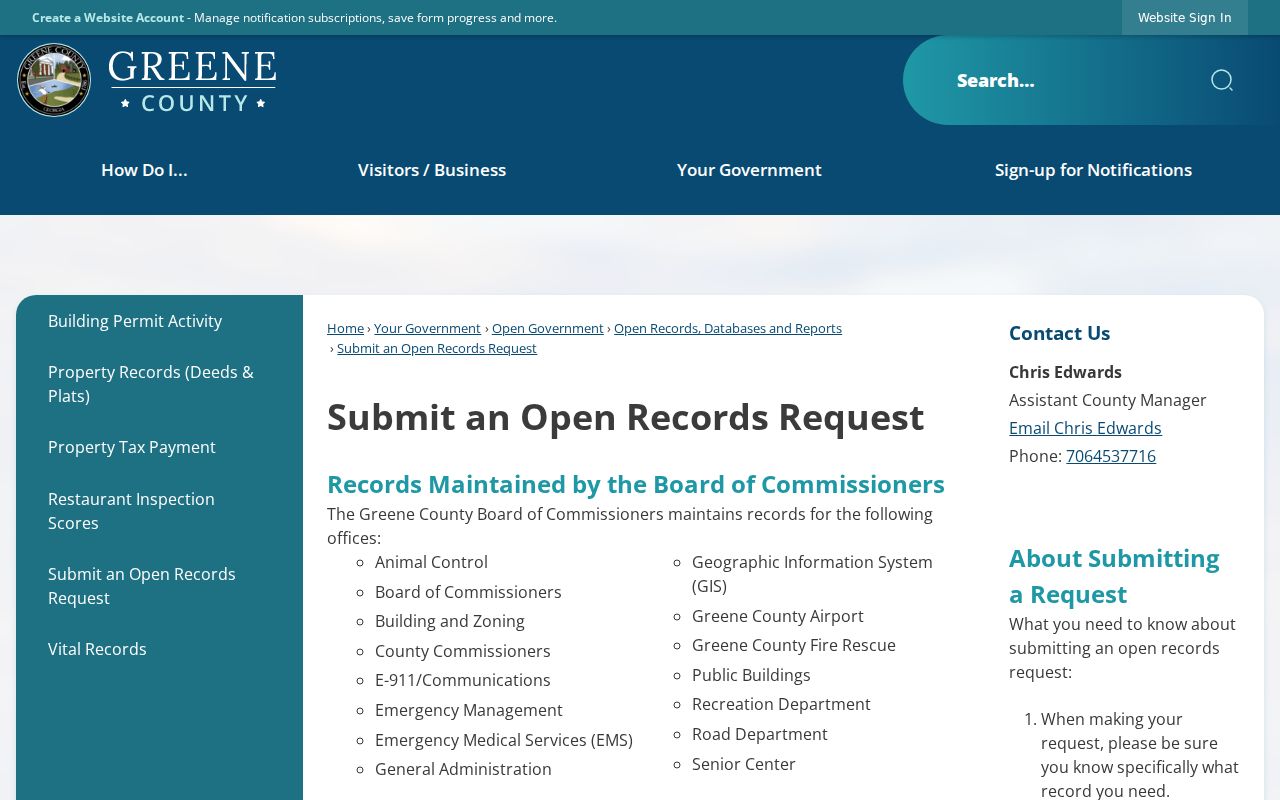
Describe the record, choose inspection or copies, accept the fee terms, and provide contact details. For a Sheriff record, use the description as a model but send it to the Sheriff after confirming the proper counter.
| Cost item | Published term |
|---|---|
| Administrative time | Lowest-paid qualified full-time employee's hourly rate |
| Initial time | First 15 minutes free |
| Ordinary paper copies | Generally $0.10 per page unless another law controls |
| Electronic delivery | May avoid printing cost; other retrieval charges may still apply |
Types of Greene County Criminal Records
A Greene County criminal record changes as a matter moves through the system. Police or the Sheriff creates an incident report. An arrest adds probable-cause allegations and, after intake, a booking record. Magistrate Court documents the first judicial steps. The Ocmulgee Judicial Circuit District Attorney may then file an accusation or seek an indictment, and Superior Court records the plea, trial result, judgment, and sentence.
State systems answer different questions. GCIC links arrest cycles to reported outcomes. GDC tracks sentenced state offenders. The registry publishes statutory registration and compliance information. Municipal courts keep city ordinance and traffic or fine-only cases, including their own failure-to-appear process. A warrant is unexecuted court process, not proof that the allegation is true.
- Incident and arrest records state what the responding agency observed and alleged.
- Booking records track intake, holds, bond, and release or transfer.
- Court case files show filed charges, docket events, disposition, and sentence.
- GCIC histories connect identity-linked Georgia arrest cycles with reported outcomes.
- Custody and supervision records separate county jail status from GDC, probation, and parole.
Greene E-911 Finds the Agency
Jurisdiction can be hard to identify around Greensboro, Lake Oconee, Interstate 20, rural roads, and town boundaries. A responding officer might work for the Sheriff, Greensboro Police, State Patrol, GBI, or the Department of Natural Resources. Greene E-911 is a useful first stop when the requester knows the event but not the agency. The center dispatches the Sheriff, Greensboro Police, EMS, fire and rescue units, and volunteer fire departments, with added service agreements outside the county.
A focused request for computer-aided dispatch material can identify the call time, units, and responsible agency, subject to lawful redactions. The Greene E-911 page routes its records through the county form. Once the responding agency is known, ask that custodian for the incident or arrest report. Do not treat dispatch audio as the complete case file.
What a Greene County Criminal Record Shows
A GCIC history may contain identity data, the arresting agency and date, initial charges, a judicial disposition reported by a court or prosecutor, and Georgia correctional custody. Read each arrest cycle in time order. Match each charge to its outcome instead of relying on a broad case status. The public-facing product may hide sensitive identifiers and may not include the pleadings, evidence detail, or judgment document found in the Clerk's court file.
| Name & Identifiers | Name, date of birth, sex, race, physical descriptors, and agency identifiers; sensitive values should not be republished. |
|---|---|
| Arrest / Booking Data | Arresting agency, date, transaction control, asserted charges, booking and hold data. |
| Charges & Statutes | Counts at arrest and any later prosecutor or court charge references. |
| Disposition | Outcome for each count, such as dismissal, nolle prosequi, plea, trial result, or First Offender treatment. |
| Sentence | Custody, probation, fines, or other terms reported with the judgment. |
| Custody / Supervision Status | Georgia correctional custody or supervision, which does not replace current Greene County jail confirmation. |
Greene Booking Records Reach GCIC
One Greene County arrest can create four related records. The arresting agency writes its report. Booking staff capture identity, fingerprints, a photograph, charges, holds, bond data, and a transaction control number when the offense is fingerprintable. Magistrate Court then creates the first-appearance and bond record. If felony charges go forward, the District Attorney and Superior Court create the prosecution file and disposition.
Courts, prosecutors, and custodial agencies report later results back to GCIC. Timing creates gaps. A jail entry may appear before a court case. Initial arrest counts may change before accusation or indictment. A final disposition may reach the court file before GCIC. GBI tells a person who finds a missing or wrong disposition to contact the court so it can transmit the correction electronically.
Arrest → Booking → Magistrate review → Prosecutor charging → Superior Court disposition → GCIC update.
Public Access Laws for Greene County Records
The Georgia Open Records Act favors access to public records while allowing fees, redaction, and specific exemptions. A Greene County custodian generally has three business days to produce the record, provide a timetable and estimate, or cite the basis for withholding. That is a response deadline, not a promise that a large request will be complete in three days. Active investigative material, juvenile files, victim identities, medical data, sealed material, and security-sensitive information may be protected. Ask for the separable public parts.
Key Statutes:
O.C.G.A. §§50-18-70 through 50-18-73 - Set the access policy, request and fee rules, exemptions, and remedies.
O.C.G.A. §35-3-34 - Governs GCIC dissemination and the public felony-conviction search.
O.C.G.A. §35-3-37 - Covers correction, record restriction, and court-record sealing.
O.C.G.A. §15-6-61 - Places court-record duties with the Superior Court Clerk.
Greene Jail and GDC Differ
The Greene County jail channel answers who is held locally, including people awaiting court action. No accessible official county booking roster, direct inmate-information line, capacity, or visitation vendor was confirmed. Call the Sheriff or jail, verify the correct public counter, or make a Sheriff-directed records request. The Board's open-records form cannot retrieve the booking file.
Georgia Department of Corrections serves a later stage of the system.
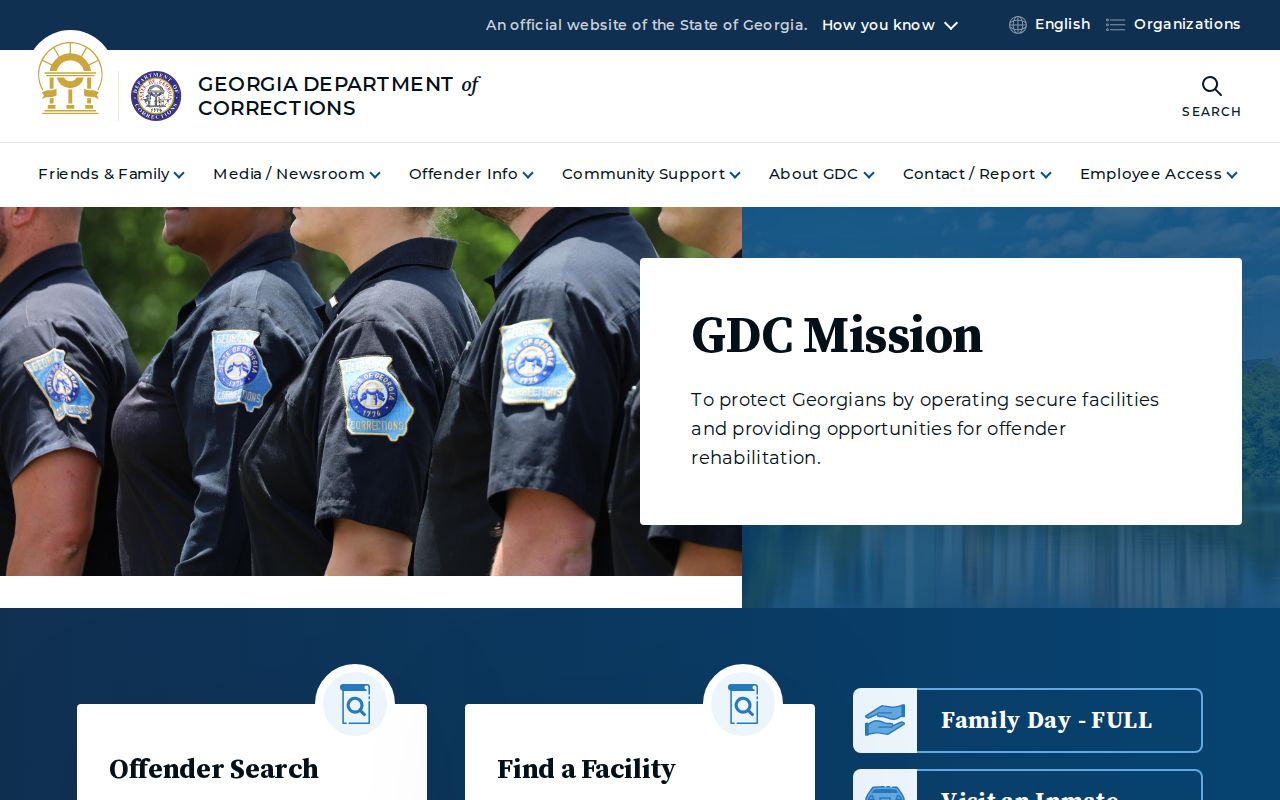
The GDC Find an Offender query uses a name or GDC ID for sentenced state offenders. A person held before trial in Greene County may not appear there. VINELink can provide participating custody notifications, but the jail or GDC remains the source to confirm current status.
Sealed, Expunged, and Restricted Records
Georgia uses the term record restriction. Under O.C.G.A. §35-3-37, restriction limits eligible arrest information from noncriminal-justice dissemination. It does not erase every government record. Court sealing under subsection (m) is a separate companion step. Criminal-justice agencies and courts may retain authorized access. Juvenile records are generally confidential, and protected identifiers may be redacted from an otherwise public Greene County criminal case.
The route turns on the arrest date. For arrests after July 1, 2013, contact the prosecutor about restriction. For older arrests, the applicant completes the GBI form and sends it through the arresting agency, then the prosecutor. First review the own GCIC history and obtain a certified disposition from the Greene Superior Court Clerk. If the disposition is missing, correction should come before restriction review.
The GBI record restriction page provides the official routes and forms.
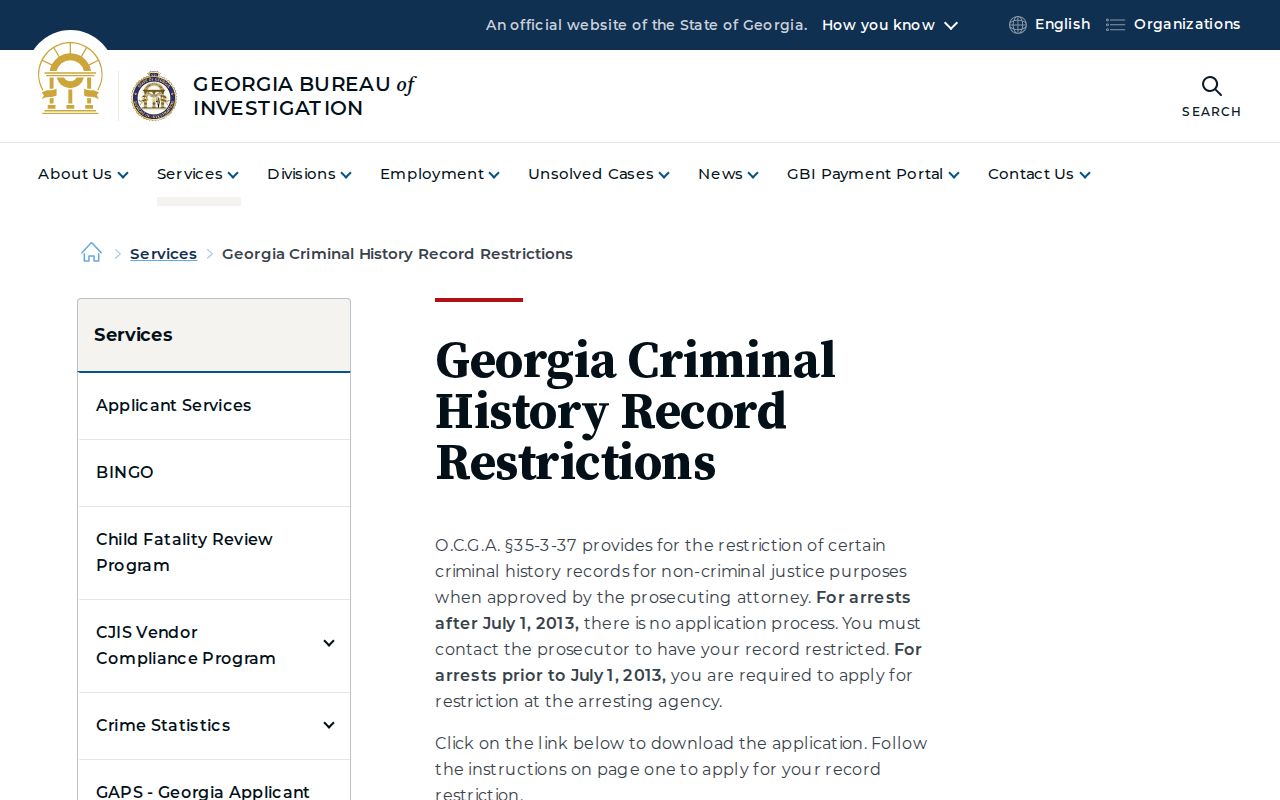
This official source distinguishes post-2013 prosecutor routing from the earlier arresting-agency application and explains why restriction differs from physical deletion.
Federal Greene County Criminal Records
A federal case will not appear in the Greene Superior Court provider just because the event occurred in Greene County. The county lies in the U.S. District Court for the Middle District of Georgia. PACER holds federal dockets and filed documents after account registration. The federal court clerk is the official fallback, while the Bureau of Prisons locator covers federal custody rather than Greene jail or GDC custody.
For an own federal identity history, the FBI electronic request portal accepts the eDO route, and fingerprints are required.
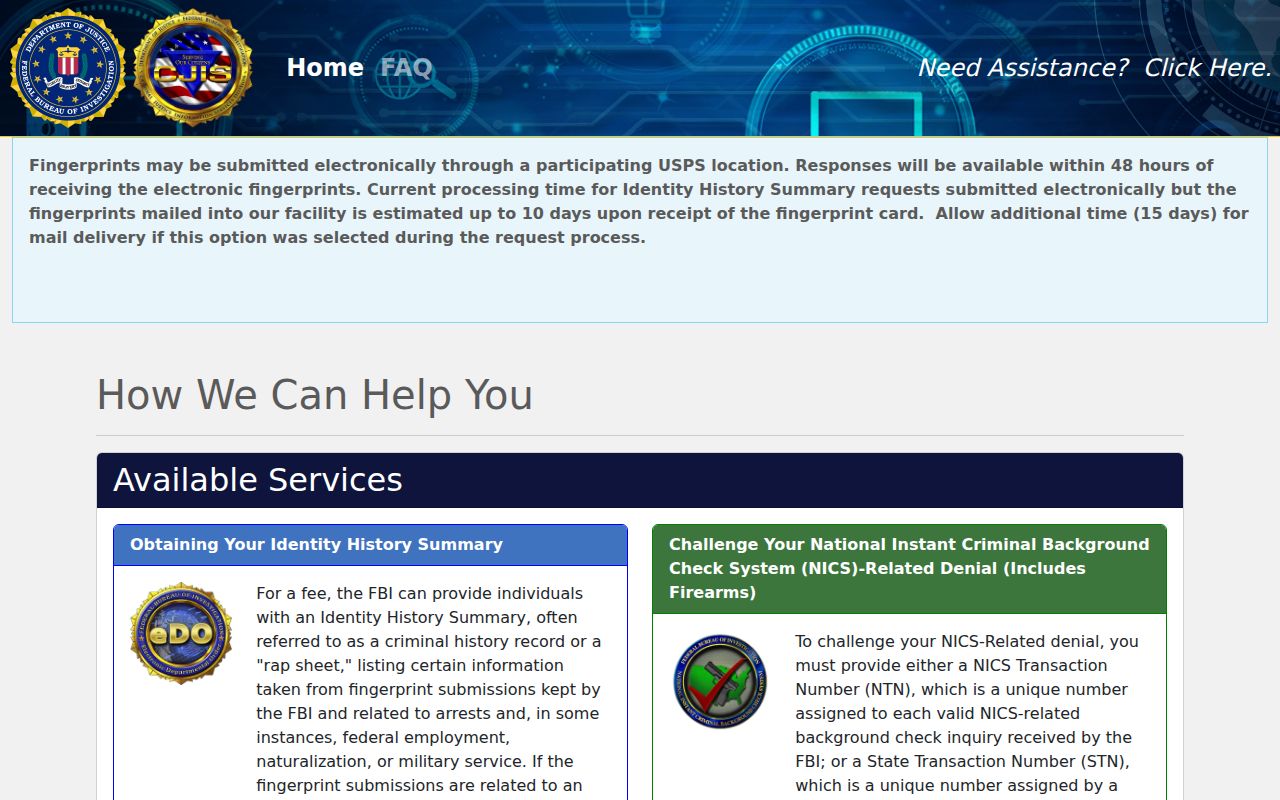
The FBI Identity History Summary is not the same as a county court file or Georgia Felon Search. It should be read as its own identity-linked federal repository product.
Fieldprint Georgia separately handles GAPS fingerprint appointments for authorized Georgia checks.
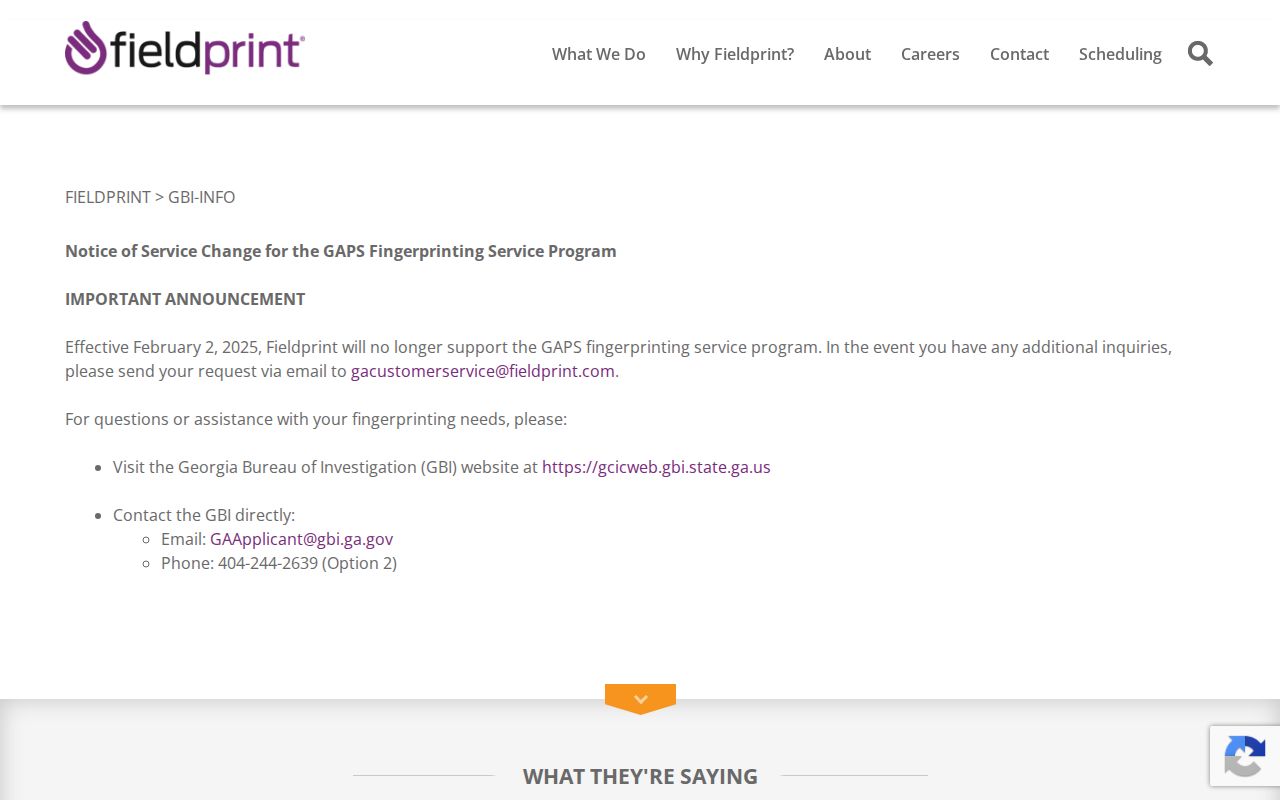
The appointment locator, not an assumed local address, is the reliable way to find a currently offered fingerprint site near Greene County.
Criminal Records by City in Greene County
Greensboro, Union Point, and Siloam form the top-three incorporated city set identified in the county research. City police create their own incident and arrest reports, while municipal courts keep ordinance and traffic or fine-only matters. Downstream custody and felony prosecution still move through Greene County jail, Magistrate Court, and Superior Court. Siloam lacks a verified stand-alone police or court portal, so its search path begins by identifying the responding agency through the Sheriff or E-911.
Greensboro Criminal History
County seat · City police reports and municipal cases route into county custody and felony courts.
Union Point Criminal History
City police and municipal court records require direct city contact before county follow-through.
Siloam Criminal History
Agency identification, dispatch, Sheriff, and county court channels form the practical route.
Greene County Court Closure Checks
A January 26, 2026 ice emergency closed Greene County Superior, Juvenile, Magistrate, and Probate Courts along with the Clerk. The order tolled deadlines until reopening. That event shows why a records-counter trip should begin with a closure check, especially when weather affects the whole courthouse rather than one office. Published weekday hours do not override a judicial emergency.
The Greene County judicial-emergency order is the official record of that closure. Routine access still depends on the correct clerk: Superior and Juvenile routing uses Suite 109, while Magistrate Court uses Suite 113 and does not publish Wednesday counter hours.
The county's court office directory helps confirm the correct Greene County criminal record custodian.
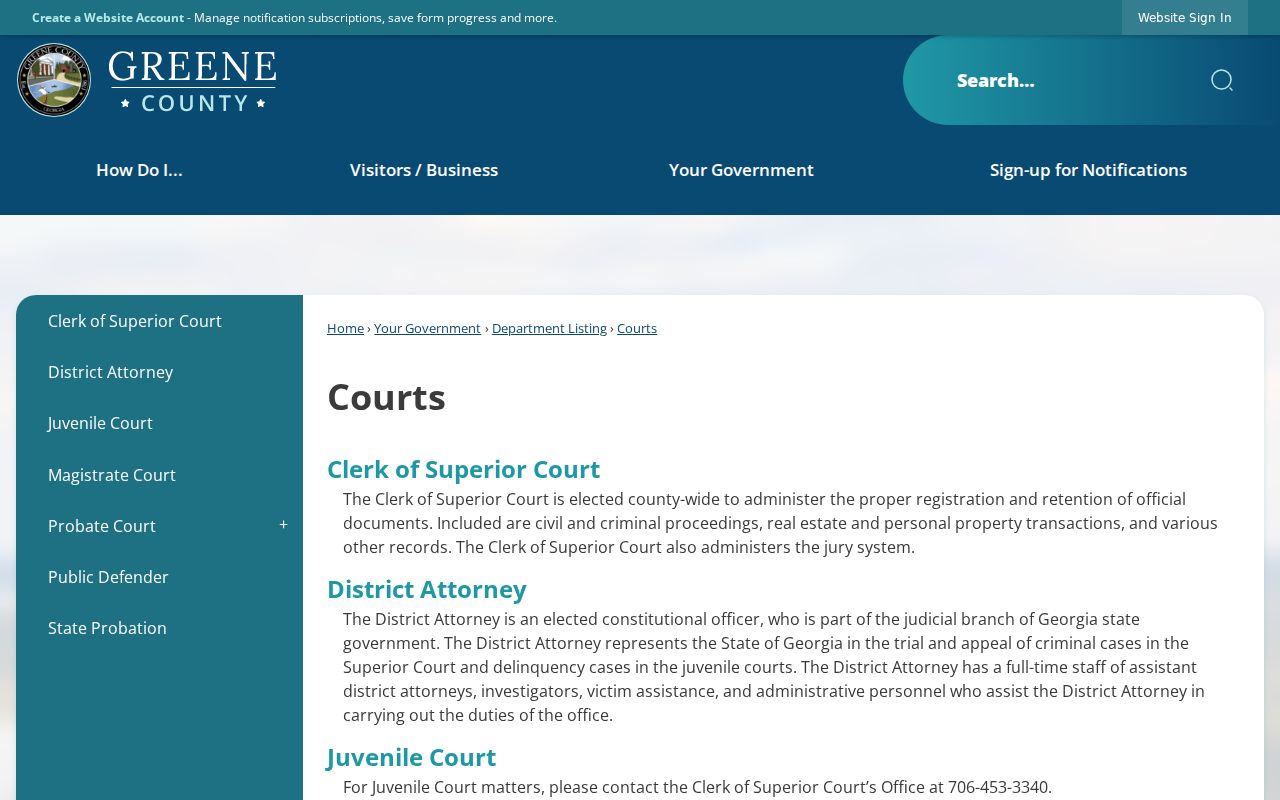
The directory separates the Clerk, Magistrate, District Attorney, and other court functions before a person calls or travels.